How ADCs are challenging for your mental health
It has been very encouraging to hear how mental health is generally now being spoken about in the same breath as physical health. This visibility is seen acutely in sports stars who have a global exposure, and it is great to see the strong support for the prioritisation of mental health for leading athletes such as Simone Biles, Ben Stokes and Naomi Osaka to name just a few.
Like most drug development scientists, ADC developers have to contend with the constant and regular setbacks of compounds not working in the way that they were designed to – either they are not sufficiently active, too toxic, not soluble enough, too unstable or just too difficult to make at scale. This continuous drip-feed effect of negative data can build over time, and before you know it, the difficult little things can become difficult big things very quickly. This may be particularly true for ADCs given the complexity of the modality and the scientifically tough questions ADCs pose – conceptually quite simple in terms of attaching a small molecule to a big molecule, but in reality, far from easy. Just looking at the number of clinical failures demonstrates how much of a challenge this is.
It takes resilience and determination to keep going in the face of adversity, no matter what you are trying to achieve. It is sometimes easy just to accept that knock-backs will happen – this is perhaps part of the nature of the business we are in, but calling this out and reaching out to colleagues for help can have an extremely positive impact on the health – both mental and physical, of us and those around us.
This is why you need a good team surrounding you – one that you can rely on, one that is psychologically safe and one that is there to support you when you are having a tough time of it mentally. Over time, our mental health is challenged in many different ways, and taking the time for Mental Health First Aid should be seen as a sign of strength and not weakness.
We can all ask our colleagues: are you OK? We work closely with each other and can often times identify when behaviours are uncharacteristic, perhaps more so than the person affected realises. It’s ok to say that you are not ok, and we can all support each other by offering that ear to listen.
You never know, you just might need that support from them soon.
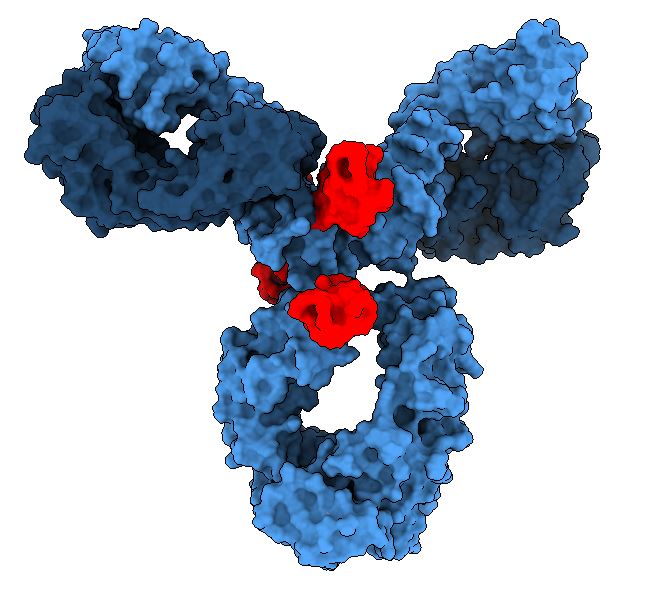
 ADCs
ADCs 